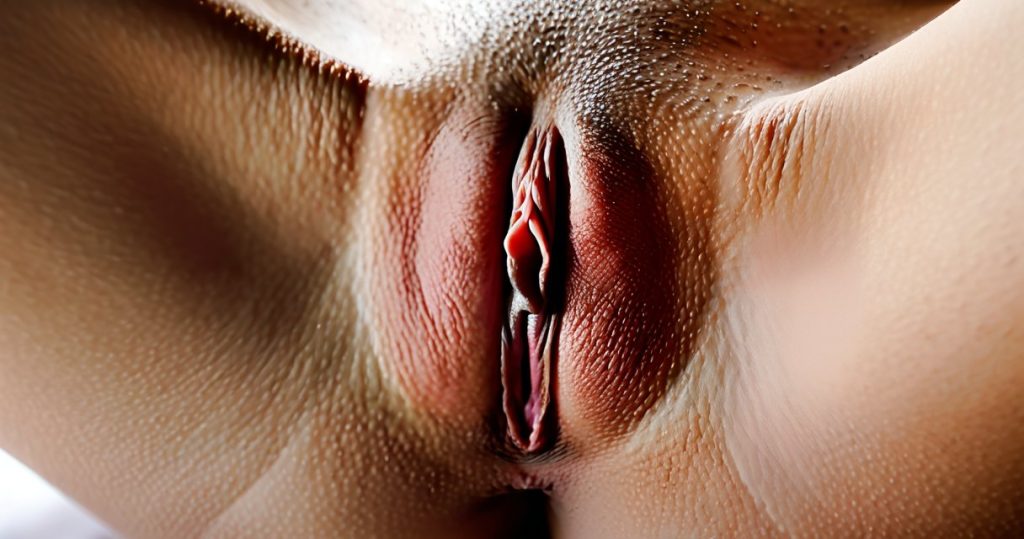
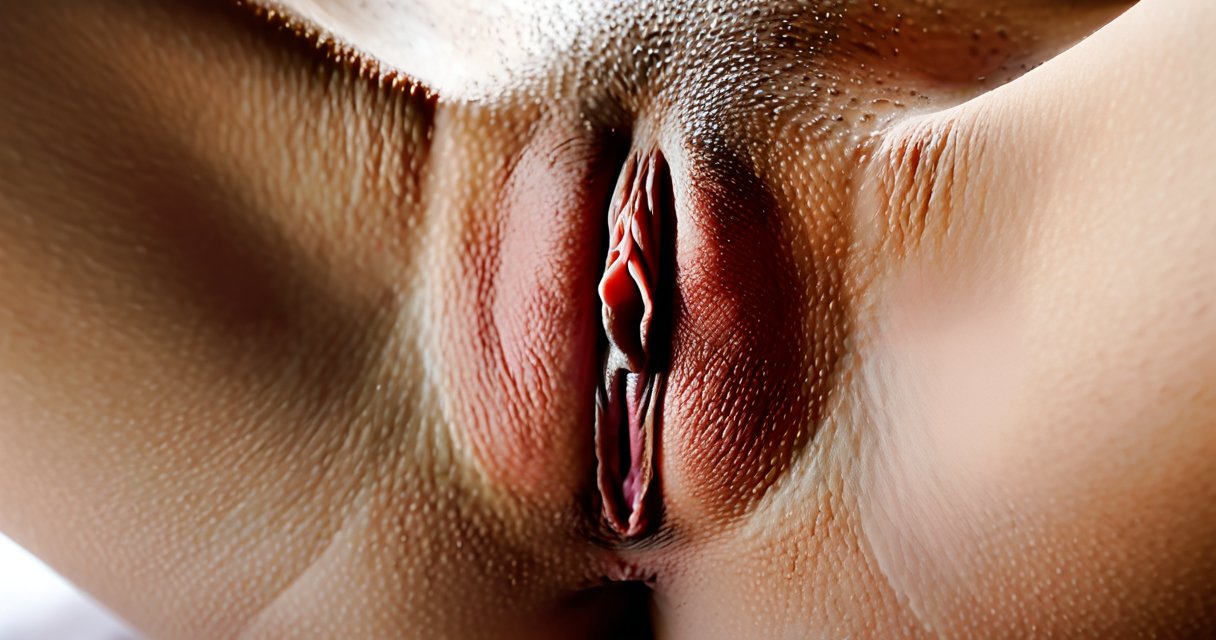
Understanding the anatomy of the
Mapping the Sensory Zones for Better Awareness
The first step in mastering this anatomy is to accurately map where the sensitive nerve endings are concentrated, particularly around the external urethral meatus. This area shares a dense network of nerve fibers with the clitoral crura, which means that stimulation here often triggers overlapping signals that enhance overall arousal. When you explore your body, pay close attention to how the tissue feels under light touch versus deeper pressure, as the difference can be significant for both comfort and sensation. Many women report that even gentle circular motions around this specific spot create a distinct type of pleasure that differs from direct clitoral contact. Keeping a mental note of these sensations helps you communicate your preferences clearly during intimate moments and ensures that you avoid areas that might feel uncomfortable or overly sensitive at certain times.
You should also consider the role of the Skene’s glands, which are located near the urethral opening and are sometimes referred to as the female prostate. These tiny structures can produce fluid during intense arousal or orgasm, adding another layer of complexity to the sensory experience in this region. Understanding that these glands are part of the broader urogenital triangle helps you appreciate why irritation or infection in one area can affect the other. A simple self-examination using a clean finger allows you to become familiar with the texture and position of these glands without causing any harm. This baseline knowledge is crucial because it empowers you to distinguish between normal physiological responses and signs of potential medical issues that might require professional attention.
Hygiene Routines That Protect Sensitive Tissue
Proper hygiene is a critical prerequisite for maintaining the health of the delicate tissue surrounding the urinary tract, and it starts with understanding what to avoid. Harsh soaps, scented wipes, and aggressive scrubbing can disrupt the natural pH balance of the vulvar area, leading to irritation that might feel like burning or itching near the urethral opening. Instead, opt for a mild, unscented cleanser or simply warm water, as the self-cleaning nature of this region means that it does not require heavy-duty products to stay clean. Pay special attention to wiping from front to back after using the toilet, as this simple habit prevents bacteria from the rectal area from migrating to the urethra and causing infections. Consistency in these daily habits creates a protective barrier that reduces the risk of discomfort during sexual activity.
After sexual encounters, it is important to gently cleanse the area with warm water to remove any residual fluids or lubricants that might irritate the tissue over time. Some people find that urinating immediately after sex helps flush out any bacteria that may have been introduced, a practice supported by urological guidelines for preventing urinary tract issues. However, do not force this if it feels uncomfortable; the goal is to support natural bodily functions rather than create a rigid routine that causes stress. You can also consider using a soft cloth or paper towel specifically designated for this purpose to avoid the friction of harsher materials. By treating the area with gentle care both before and after intimacy, you ensure that the tissue remains healthy and responsive without becoming inflamed or sensitive.
Identifying Normal Sensations During Arousal
One of the most common mistakes people make is assuming that any unusual feeling in the pelvic region is a sign of something wrong, which can lead to unnecessary anxiety. In reality, the tissue around the urethral opening often swells slightly and becomes more engorged with blood during arousal, a process known as vasocongestion. This swelling can create a feeling of fullness or pressure that some find pleasurable while others might perceive as mild discomfort if they are not used to it. It is important to recognize that these changes are a normal part of the sexual response cycle and do not indicate injury or disease. By observing how your body responds over several cycles, you can build a personal baseline of what feels normal for you, which is far more useful than trying to match an external standard.

You might also notice a tingling or buzzing sensation in the area just before orgasm, which is often linked to the contraction of muscles around the urethra and vagina. These contractions are not only a sign of approaching climax but also serve a functional role in expelling any fluid produced by the Skene’s glands. If you experience sharp pain instead of pleasure, it may be a signal that the tissue is irritated, dry, or under too much pressure. In such cases, slowing down and adjusting your technique can often resolve the discomfort without ending the encounter entirely. Learning to interpret these subtle signals allows you to navigate your sexual experiences with confidence and ensure that your body remains in a state of comfort rather than distress.
Navigating Lubrication and Friction Sensitivity
The lack of natural lubrication is a frequent issue that can make the area around the urethra feel dry and prone to friction, especially during prolonged arousal. Using a high-quality water-based or silicone-based lubricant can significantly reduce this discomfort by creating a smooth barrier between your body and any external objects or partner’s skin. However, be cautious with products that contain glycerin or strong fragrances, as these ingredients can sometimes cause irritation or disrupt the microbial balance of the vulvar area. You should also consider the temperature of the lubricant; applying it directly from a cold container might feel shocking to sensitive tissue, so warming it slightly between your fingers can make the experience more pleasant. Proper hydration throughout the day also plays a role in maintaining natural moisture levels, so drinking enough water is a simple yet effective strategy.
If you find that certain positions or movements consistently cause irritation, it may be worth experimenting with different angles or speeds to find what works best for your anatomy. The goal is to minimize unnecessary friction while maximizing the sensory input that you enjoy. Some people prefer to apply lubricant not just to the vaginal opening but also to the external tissue around the urethral area, as this can prevent chafing in those more delicate spots. Remember that sensitivity varies from person to person and can even change from day to day based on stress levels, hormonal fluctuations, or sleep quality. By staying attuned to these variations and adjusting your approach accordingly, you can maintain a comfortable and pleasurable experience without forcing your body into a routine that does not suit it.
Detecting Early Signs of Irritation or Infection
While minor discomfort is common, persistent symptoms such as burning during urination, unusual discharge, or swelling near the urethral opening should not be ignored. These signs can indicate a urinary tract infection, which is more common in people with female anatomy due to the shorter length of the urethra and its proximity to other openings. Early detection is key to preventing the condition from worsening, so pay close attention to how you feel after using the restroom or during sexual activity. If you notice that the area remains red, tender, or painful for more than a day or two, it is wise to consult a healthcare provider for a proper evaluation. Ignoring these warning signs can lead to more serious complications that are harder to treat and may affect your overall well-being.

You should also be aware of conditions like urethral caruncles, which are small, benign growths that can develop near the urethral opening in postmenopausal individuals. These growths are often caused by a lack of estrogen and can cause bleeding or discomfort if they become irritated. While they are not typically dangerous, they do require medical management to ensure they do not grow larger or cause significant issues. Regular gynecological checkups are an excellent way to catch these and other potential problems early, allowing for timely intervention and treatment. By staying proactive about your health and keeping open lines of communication with your doctor, you can address any concerns before they turn into major problems.
Communicating Preferences and Boundaries Clearly
Effective communication with your partner is a practical step that ensures both of you are comfortable and enjoying the experience without unnecessary tension. Before engaging in intimate activities, take a moment to discuss what feels good and what does not, specifically mentioning any sensitivity or discomfort around the urethral area. This conversation does not need to be formal or clinical; a simple exchange about preferences and limits can go a long way in creating a safe and enjoyable environment. You might find that your partner is unaware of how sensitive this region can be, so providing them with clear guidance on pressure and speed can help them avoid causing pain. Open dialogue also allows you to express your needs for pause or adjustment if something feels off, ensuring that the experience remains positive for both parties.
During the act itself, do not hesitate to offer real-time feedback if you need a change in direction or intensity. A gentle hand on your partner’s shoulder or a verbal cue can signal that you want to slow down or shift focus to a different area. This immediate communication helps prevent small discomforts from escalating into larger issues and builds trust between you and your partner. You should also remember that it is perfectly acceptable to stop or change activities if you are not feeling well, and a good partner will respect that boundary without question. By prioritizing clear and honest communication, you create a space where both of you can relax and focus on the connection rather than worrying about physical discomfort or unspoken expectations.

I’m passionate about exploring sexual health and helping women understand their bodies. I write about techniques, communication, and education to empower readers to experience more fulfilling intimacy. My goal is to provide clear, respectful guidance that demystifies the path to orgasm.