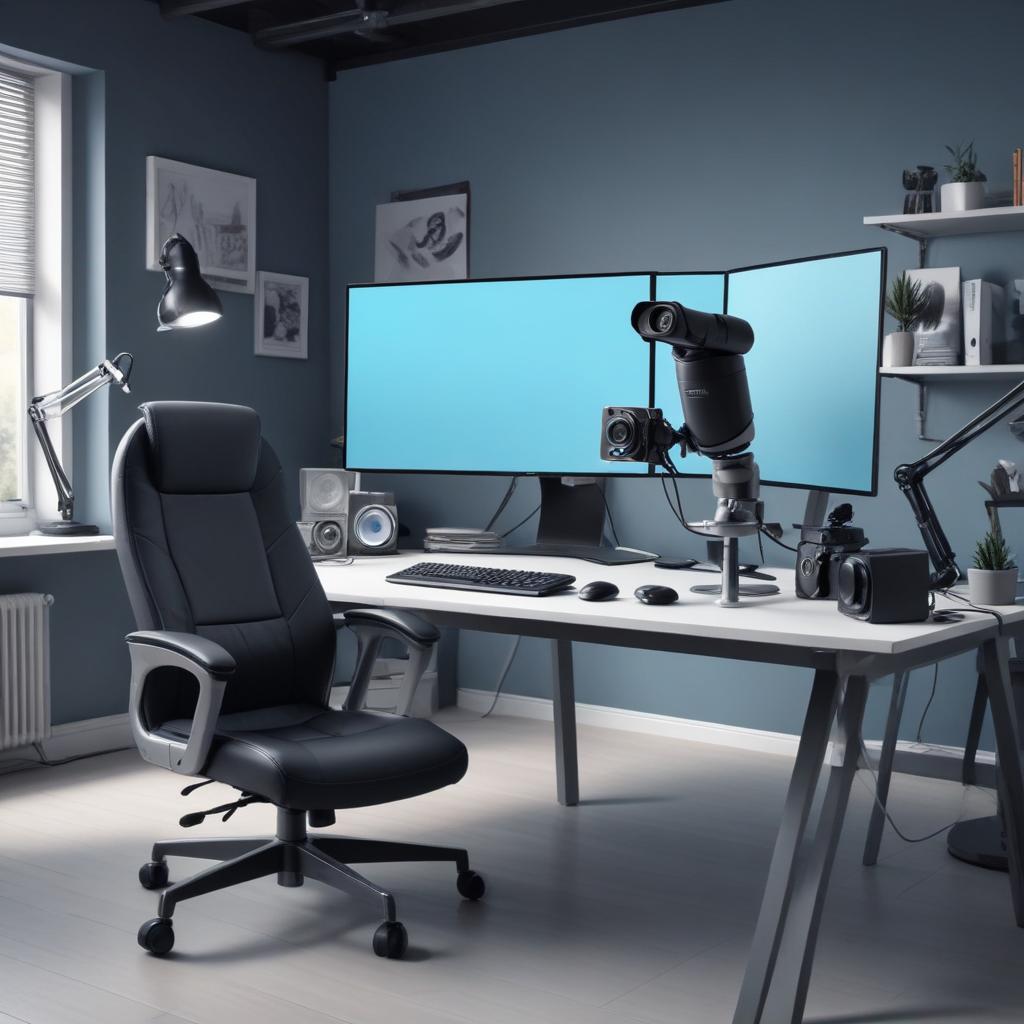
Studio budgeting also requires attention to utility expenses, which can vary based on the studio’s size and location. Higher energy consumption due to continuous equipment operation and extended work hours often results in substantial utility bills. Efficient management of these expenses is necessary to avoid unnecessary financial strain. Marketing and promotional activities, essential for attracting and retaining clients, further contribute to operational costs but are a critical investment in business growth.
Understanding these webcam studio costs offers a clear cost overview, allowing owners to plan and allocate resources wisely. Effective management of operational expenses ensures that the studio remains financially sustainable while delivering high-quality service. Without careful budgeting and cost control, studios risk overspending, which can adversely affect profit margins and long-term viability. Therefore, keeping a close watch on all operational aspects is crucial for maintaining a successful webcam studio business.
Types of Operational Expenses
When managing a webcam studio, it’s essential to understand the distinction between fixed costs and variable costs as part of your overall studio expenses. Fixed costs are expenses that remain constant regardless of the studio’s activity level. For instance, rent for the studio space, monthly internet bills, software subscriptions, and salaries for permanent staff are all considered fixed costs. These are foundational running costs that must be covered every month to keep the studio operational.
On the other hand, variable costs fluctuate depending on the studio’s workload or production intensity. Examples of variable costs in a webcam studio include electricity charges, which can increase with longer streaming hours, payments made to contracted models based on their hours or sessions, and costs related to consumables like makeup and wardrobe updates. These running costs change based on the level of activity and require careful monitoring to avoid budget overruns.
By categorizing expenses into fixed and variable, webcam studio operators can better forecast budgets and allocate resources efficiently. Fixed costs give a predictable financial baseline, while variable costs provide flexibility to scale operations up or down. Understanding this balance is crucial for sustaining profitability and managing all studio expenses effectively in the competitive online streaming industry.
Importance of Budget Planning
Careful budget planning is a cornerstone of effective financial management for webcam studios. It allows studio owners to anticipate expenses, allocate resources efficiently, and establish a clear roadmap for cost control. Without a well-structured studio budget, it becomes challenging to track spending and make informed decisions that impact profitability and sustainability.
Budget planning involves analyzing all operational costs, including equipment, software, marketing, and personnel. By forecasting these costs accurately, studios can avoid unexpected financial shortfalls and streamline their expenditures. This proactive approach not only helps in maintaining steady cash flow but also enhances the ability to invest in areas that foster growth and competitive advantage.
Furthermore, a comprehensive budget empowers webcam studios to set financial goals and benchmarks. This ongoing process of monitoring and adjusting the budget ensures that studios remain agile and responsive to market changes. Cost control measures implemented through budget planning can reduce wasteful spending and optimize profits, ultimately contributing to long-term business viability.
In summary, prioritizing budget planning equips webcam studios with the financial clarity and discipline needed to thrive. It safeguards the studio from operational risks and lays the foundation for sustainable growth by balancing income and expenses effectively.
Major Cost Components in Webcam Studios
Operating a webcam studio involves several key cost components that contribute significantly to the total operational expenses. Understanding these costs is essential for budgeting and managing the studio effectively. The main areas where expenses accumulate include equipment costs, software expenses, studio rentals, and personnel costs.
Equipment costs are a major upfront investment for any webcam studio. Quality cameras, microphones, lighting, and computers are essential to deliver high-definition video and clear audio, which are critical for viewer satisfaction and retention. Additional hardware such as green screens, backdrops, and props may also be required depending on the studio’s setup. Regular maintenance and occasional upgrades to keep up with technology standards add to these costs as well.
Next are software expenses, which cover the streaming platforms, video editing software, and studio management tools needed to run the webcam operation smoothly. Subscription fees for broadcasting software and licenses for professional editing tools must be included in the budget. Additionally, investing in security and anti-piracy software is important to protect content and ensure compliance with digital rights regulations.
Studio rentals form another significant part of operational costs. Depending on the location, the size, and the amenities of the space, rental fees can vary widely. For many studios, renting dedicated space that offers privacy, soundproofing, and a professional atmosphere is crucial. Some studios may choose to rent on a monthly basis, while others might opt for daily or hourly rentals, which can affect the overall expenditure.
Personnel costs also contribute heavily to running a webcam studio. Hiring skilled staff such as camera operators, lighting technicians, makeup artists, and customer support representatives ensures smooth operations and a professional quality broadcast. Additionally, costs related to model recruitment, training, and management are part of personnel expenses. Proper staffing is vital to maintain high standards and efficient workflow.
In summary, equipment costs, software expenses, studio rentals, and personnel costs are the pillars of operational expenditure in webcam studios. Careful planning and allocation across these components ensure the studio runs effectively while optimizing investment and maximizing profit potential.
Equipment and Technology Expenses
Setting up a webcam studio involves significant equipment and technology expenses, which are crucial for delivering high-quality content. The initial investment typically includes purchasing webcams, lighting, and microphones. High-definition webcams can range from $50 to over $200 each, depending on the resolution and brand. Quality lighting is essential to create a professional look and usually requires ring lights or softboxes, costing between $40 to $150. Microphones vary widely in price but expect to spend at least $30 for decent audio clarity, with professional-grade options exceeding $200.
Beyond the initial setup, technology upgrades represent ongoing costs that can impact your budget. Keeping your equipment up to date ensures the best performance and user experience. This might involve upgrading to newer webcam models with enhanced features, improving lighting equipment for better effects, or switching to higher-quality microphones for clearer sound. Software updates and tech maintenance also contribute to these expenses, ensuring compatibility and reliability during broadcasts.
Balancing initial outlay and continuous technology upgrades is vital for a successful webcam studio. Investing in reliable, durable equipment minimizes replacement frequency and overall costs. However, staying ahead with the latest technology upgrades can significantly improve production value and audience engagement, making these expenses a worthwhile consideration for long-term growth.
Software Licenses and Subscriptions
Operating a webcam studio requires investing in essential software tools, which often come with a mix of license fees and ongoing subscription costs. Streaming software is fundamental, enabling seamless live broadcasts to your audience. Popular choices often require a one-time license purchase or a monthly subscription to access their full capabilities, including real-time streaming, scene switching, and integration with various platforms.
In addition to streaming software, editing tools are crucial for producing high-quality video content. These tools usually operate on a subscription model, providing regular updates, cloud storage, and access to advanced features that can enhance video production. Licenses for these editing tools range from individual plans to business tiers, tailored to the studio’s specific requirements.
When budgeting for software licenses and subscription services, it’s important to consider both the initial cost and ongoing fees to maintain access and updates. Subscriptions often include customer support, cloud syncing, and added functionalities that are critical for a professional workflow. Balancing the cost of these licenses with the value they bring helps ensure consistent and efficient streaming and editing operations within the webcam studio.
Studio Space and Utilities
When running a webcam studio, one of the key operational overhead expenses is the cost of renting a suitable studio space. Rent varies widely depending on location, size, and the quality of the premises. It’s essential to find a balance between affordability and creating a professional environment that fosters productivity and comfort for performers and staff alike.
In addition to rent, utility bills such as electricity, water, heating, and internet service play a significant role in operational costs. Since webcam studios rely heavily on high-speed and reliable internet connections, ensuring the utility infrastructure meets these demands is crucial. Electricity bills can also be substantial due to continuous use of lighting, cameras, and computers.
Ongoing studio maintenance is another aspect of operational overhead that shouldn’t be overlooked. This includes routine cleaning to maintain a professional and hygienic space, upkeep of technical equipment to prevent disruptions, and occasional repairs that may arise. Allocating a budget for maintenance helps avoid costly breakdowns and ensures smooth day-to-day operations.
Overall, keeping a close eye on rent, utilities, and studio maintenance costs is vital for managing the financial health of a webcam studio. Careful planning and efficient management of these expenses contribute significantly to sustained business success.
Strategies to Optimize Webcam Studio Operational Costs
Optimizing operational costs is crucial for webcam studio owners aiming to maintain profitability while ensuring high-quality production. By implementing targeted cost optimization strategies, studio managers can enhance budget efficiency and drive significant expense reduction. Here are several actionable strategies designed to streamline expenses effectively without compromising performance or service quality.
First, consider adopting energy-efficient equipment and lighting. Utilizing LED lights and modern, energy-saving computers and peripherals can reduce utility bills substantially over time. Investing upfront in energy-efficient technology not only cuts down electricity costs but also minimizes maintenance expenses.
Another key operational strategy is to leverage automation tools for scheduling, content management, and customer interactions. Automation reduces the need for excessive staffing, lowering payroll expenses and decreasing human error. Software that automates routine tasks boosts overall budget efficiency by freeing up staff time for more value-added activities.
Outsourcing non-core functions such as accounting, marketing, and IT support can also contribute to expense reduction. By engaging specialized freelancers or agencies, studios avoid the overhead costs associated with full-time employees, such as benefits and office space, while receiving expert service tailored to their needs.
Regularly reviewing supplier contracts for internet services, hardware leases, and software subscriptions is an essential cost optimization measure. Negotiating better rates or switching to more cost-effective vendors helps maintain budget efficiency consistently. Additionally, eliminating unused or underutilized services ensures every expense is justified.
Implementing a comprehensive maintenance schedule prolongs the lifespan of existing equipment, reducing the frequency of costly replacements. Preventive maintenance minimizes downtime, which can otherwise lead to lost revenue and increased operational expenditure.
Lastly, fostering a culture of awareness around cost control among all staff members ensures collective responsibility for budget efficiency. Encouraging employees to suggest cost-saving ideas often reveals innovative operational strategies that might otherwise go unnoticed.
By combining these strategic approaches—energy-efficient investments, automation, outsourcing, supplier negotiation, maintenance, and staff engagement—webcam studio owners can significantly optimize their operational costs and strengthen the financial health of their business.
Leveraging Technology for Cost Savings
In the competitive world of webcam studios, leveraging automation and cost-effective tools has become essential for streamlining operations and reducing overhead costs. By adopting technology upgrades that prioritize efficiency, studios can significantly cut down on manual labor, minimize errors, and accelerate workflows. Automation solutions can handle repetitive tasks such as scheduling, billing, and customer management, freeing up staff to focus on more value-driven activities.
Investing in advanced yet affordable technology not only reduces operational expenses but also enhances the overall user experience for both employees and clients. For example, integrating software platforms that consolidate multiple functions can replace disparate systems, leading to lower maintenance costs and easier training for staff. Furthermore, technology upgrades that improve streaming quality and reliability reduce downtime, boosting productivity and customer satisfaction.
Streamlining processes with smart tools allows webcam studios to respond more agilely to market changes and scale efficiently without proportionally increasing costs. Embracing cost-effective technology solutions thus becomes a strategic move, enabling studios to maintain competitive pricing while maximizing profitability. Ultimately, the right technology investments drive operational excellence and help studios thrive in a cost-conscious marketplace.
Managing Staff and Outsourcing Wisely
Effective personnel management is essential for controlling staffing costs in a webcam studio. By carefully evaluating the roles that require full-time employees versus those that can be outsourced, studios can significantly reduce their operational expenses without compromising quality. Core positions that demand consistent presence and deep integration into the business, such as studio management and technical support, benefit from in-house staffing to ensure reliability and continuity.
On the other hand, many tasks within a webcam studio are well-suited for outsourcing to freelancers or specialized agencies. Roles such as content editing, customer service, and marketing campaigns can often be handled remotely by professionals who offer flexible, on-demand services. This approach allows studios to avoid the fixed costs associated with full-time salaries and benefits, paying only for the services they need when they need them.
Outsourcing also opens access to a global talent pool, enabling studios to find highly skilled freelancers at competitive rates. Combining this with strategic staffing decisions helps maintain high-quality output while optimizing labor costs. In summary, smart staffing choices paired with selective outsourcing form a balanced personnel management strategy that controls costs effectively and keeps studio operations running smoothly and efficiently.
Negotiating Space and Utility Expenses
To effectively reduce operational costs in a webcam studio, mastering rent negotiation is essential. Start by researching comparable rental prices in the area to build a strong case for a better deal. Emphasize the benefits of your long-term tenancy and timely payments to the landlord, which can be persuasive leverage during cost negotiation discussions. Consider proposing a longer lease term in exchange for a reduced monthly rate, which provides stability for both parties.
Utility savings are another critical area to address in trimming overall expenses. Implement energy-efficient lighting and equipment to lower electricity bills. Regularly monitor utility consumption and identify peak usage times to shift non-essential tasks to off-peak hours, potentially reducing costs. Additionally, negotiate with utility providers for better rates or bundled service discounts, especially if your usage is significant. Installing smart meters can also help track and control energy consumption more precisely.
Combining rent negotiation tactics with proactive utility savings strategies results in meaningful operational savings. Approach your landlord and utility providers with clear data and a collaborative mindset to achieve cost reductions that sustain the business. Efficient negotiation of both rent and utilities not only slashes expenses but also enhances your overall financial health, enabling reinvestment into the growth and quality of the webcam studio.
Understanding Webcam Studio Operational Costs
Running a webcam studio involves various operational expenses that owners must carefully consider to ensure business success. Webcam studio costs encompass all the financial outlays required to maintain and operate the facility effectively. This includes, but is not limited to, rent for the studio space, utility bills such as electricity and internet, equipment maintenance, salaries for staff, and marketing expenses. Each of these factors significantly contributes to the total operational budget and impacts profitability.
One of the fundamental components of webcam studio costs is the investment in high-quality technology. Reliable internet connectivity and state-of-the-art webcams are essential for providing a seamless streaming experience to viewers. Additionally, the studio requires efficient lighting, sound equipment, and computers capable of handling streaming software. All these elements come with recurring costs for updates, repairs, or replacements, which add to the operational expenses.
Staffing constitutes another crucial aspect of webcam studio operational costs. From technical support to content management and customer service, hiring skilled personnel is vital to run the studio smoothly. Salaries and benefits for these employees must be factored into the overall budgeting. Moreover, studios often need to invest in training to keep staff updated with the latest streaming practices and compliance regulations.
Studio budgeting also requires attention to utility expenses, which can vary based on the studio’s size and location. Higher energy consumption due to continuous equipment operation and extended work hours often results in substantial utility bills. Efficient management of these expenses is necessary to avoid unnecessary financial strain. Marketing and promotional activities, essential for attracting and retaining clients, further contribute to operational costs but are a critical investment in business growth.
Understanding these webcam studio costs offers a clear cost overview, allowing owners to plan and allocate resources wisely. Effective management of operational expenses ensures that the studio remains financially sustainable while delivering high-quality service. Without careful budgeting and cost control, studios risk overspending, which can adversely affect profit margins and long-term viability. Therefore, keeping a close watch on all operational aspects is crucial for maintaining a successful webcam studio business.
Types of Operational Expenses
When managing a webcam studio, it’s essential to understand the distinction between fixed costs and variable costs as part of your overall studio expenses. Fixed costs are expenses that remain constant regardless of the studio’s activity level. For instance, rent for the studio space, monthly internet bills, software subscriptions, and salaries for permanent staff are all considered fixed costs. These are foundational running costs that must be covered every month to keep the studio operational.
On the other hand, variable costs fluctuate depending on the studio’s workload or production intensity. Examples of variable costs in a webcam studio include electricity charges, which can increase with longer streaming hours, payments made to contracted models based on their hours or sessions, and costs related to consumables like makeup and wardrobe updates. These running costs change based on the level of activity and require careful monitoring to avoid budget overruns.
By categorizing expenses into fixed and variable, webcam studio operators can better forecast budgets and allocate resources efficiently. Fixed costs give a predictable financial baseline, while variable costs provide flexibility to scale operations up or down. Understanding this balance is crucial for sustaining profitability and managing all studio expenses effectively in the competitive online streaming industry.
Importance of Budget Planning
Careful budget planning is a cornerstone of effective financial management for webcam studios. It allows studio owners to anticipate expenses, allocate resources efficiently, and establish a clear roadmap for cost control. Without a well-structured studio budget, it becomes challenging to track spending and make informed decisions that impact profitability and sustainability.
Budget planning involves analyzing all operational costs, including equipment, software, marketing, and personnel. By forecasting these costs accurately, studios can avoid unexpected financial shortfalls and streamline their expenditures. This proactive approach not only helps in maintaining steady cash flow but also enhances the ability to invest in areas that foster growth and competitive advantage.
Furthermore, a comprehensive budget empowers webcam studios to set financial goals and benchmarks. This ongoing process of monitoring and adjusting the budget ensures that studios remain agile and responsive to market changes. Cost control measures implemented through budget planning can reduce wasteful spending and optimize profits, ultimately contributing to long-term business viability.
In summary, prioritizing budget planning equips webcam studios with the financial clarity and discipline needed to thrive. It safeguards the studio from operational risks and lays the foundation for sustainable growth by balancing income and expenses effectively.
Major Cost Components in Webcam Studios
Operating a webcam studio involves several key cost components that contribute significantly to the total operational expenses. Understanding these costs is essential for budgeting and managing the studio effectively. The main areas where expenses accumulate include equipment costs, software expenses, studio rentals, and personnel costs.
Equipment costs are a major upfront investment for any webcam studio. Quality cameras, microphones, lighting, and computers are essential to deliver high-definition video and clear audio, which are critical for viewer satisfaction and retention. Additional hardware such as green screens, backdrops, and props may also be required depending on the studio’s setup. Regular maintenance and occasional upgrades to keep up with technology standards add to these costs as well.
Next are software expenses, which cover the streaming platforms, video editing software, and studio management tools needed to run the webcam operation smoothly. Subscription fees for broadcasting software and licenses for professional editing tools must be included in the budget. Additionally, investing in security and anti-piracy software is important to protect content and ensure compliance with digital rights regulations.
Studio rentals form another significant part of operational costs. Depending on the location, the size, and the amenities of the space, rental fees can vary widely. For many studios, renting dedicated space that offers privacy, soundproofing, and a professional atmosphere is crucial. Some studios may choose to rent on a monthly basis, while others might opt for daily or hourly rentals, which can affect the overall expenditure.
Personnel costs also contribute heavily to running a webcam studio. Hiring skilled staff such as camera operators, lighting technicians, makeup artists, and customer support representatives ensures smooth operations and a professional quality broadcast. Additionally, costs related to model recruitment, training, and management are part of personnel expenses. Proper staffing is vital to maintain high standards and efficient workflow.
In summary, equipment costs, software expenses, studio rentals, and personnel costs are the pillars of operational expenditure in webcam studios. Careful planning and allocation across these components ensure the studio runs effectively while optimizing investment and maximizing profit potential.
Equipment and Technology Expenses
Setting up a webcam studio involves significant equipment and technology expenses, which are crucial for delivering high-quality content. The initial investment typically includes purchasing webcams, lighting, and microphones. High-definition webcams can range from $50 to over $200 each, depending on the resolution and brand. Quality lighting is essential to create a professional look and usually requires ring lights or softboxes, costing between $40 to $150. Microphones vary widely in price but expect to spend at least $30 for decent audio clarity, with professional-grade options exceeding $200.
Beyond the initial setup, technology upgrades represent ongoing costs that can impact your budget. Keeping your equipment up to date ensures the best performance and user experience. This might involve upgrading to newer webcam models with enhanced features, improving lighting equipment for better effects, or switching to higher-quality microphones for clearer sound. Software updates and tech maintenance also contribute to these expenses, ensuring compatibility and reliability during broadcasts.
Balancing initial outlay and continuous technology upgrades is vital for a successful webcam studio. Investing in reliable, durable equipment minimizes replacement frequency and overall costs. However, staying ahead with the latest technology upgrades can significantly improve production value and audience engagement, making these expenses a worthwhile consideration for long-term growth.
Software Licenses and Subscriptions
Operating a webcam studio requires investing in essential software tools, which often come with a mix of license fees and ongoing subscription costs. Streaming software is fundamental, enabling seamless live broadcasts to your audience. Popular choices often require a one-time license purchase or a monthly subscription to access their full capabilities, including real-time streaming, scene switching, and integration with various platforms.
In addition to streaming software, editing tools are crucial for producing high-quality video content. These tools usually operate on a subscription model, providing regular updates, cloud storage, and access to advanced features that can enhance video production. Licenses for these editing tools range from individual plans to business tiers, tailored to the studio’s specific requirements.
When budgeting for software licenses and subscription services, it’s important to consider both the initial cost and ongoing fees to maintain access and updates. Subscriptions often include customer support, cloud syncing, and added functionalities that are critical for a professional workflow. Balancing the cost of these licenses with the value they bring helps ensure consistent and efficient streaming and editing operations within the webcam studio.
Studio Space and Utilities
When running a webcam studio, one of the key operational overhead expenses is the cost of renting a suitable studio space. Rent varies widely depending on location, size, and the quality of the premises. It’s essential to find a balance between affordability and creating a professional environment that fosters productivity and comfort for performers and staff alike.
In addition to rent, utility bills such as electricity, water, heating, and internet service play a significant role in operational costs. Since webcam studios rely heavily on high-speed and reliable internet connections, ensuring the utility infrastructure meets these demands is crucial. Electricity bills can also be substantial due to continuous use of lighting, cameras, and computers.
Ongoing studio maintenance is another aspect of operational overhead that shouldn’t be overlooked. This includes routine cleaning to maintain a professional and hygienic space, upkeep of technical equipment to prevent disruptions, and occasional repairs that may arise. Allocating a budget for maintenance helps avoid costly breakdowns and ensures smooth day-to-day operations.
Overall, keeping a close eye on rent, utilities, and studio maintenance costs is vital for managing the financial health of a webcam studio. Careful planning and efficient management of these expenses contribute significantly to sustained business success.
Strategies to Optimize Webcam Studio Operational Costs
Optimizing operational costs is crucial for webcam studio owners aiming to maintain profitability while ensuring high-quality production. By implementing targeted cost optimization strategies, studio managers can enhance budget efficiency and drive significant expense reduction. Here are several actionable strategies designed to streamline expenses effectively without compromising performance or service quality.
First, consider adopting energy-efficient equipment and lighting. Utilizing LED lights and modern, energy-saving computers and peripherals can reduce utility bills substantially over time. Investing upfront in energy-efficient technology not only cuts down electricity costs but also minimizes maintenance expenses.
Another key operational strategy is to leverage automation tools for scheduling, content management, and customer interactions. Automation reduces the need for excessive staffing, lowering payroll expenses and decreasing human error. Software that automates routine tasks boosts overall budget efficiency by freeing up staff time for more value-added activities.
Outsourcing non-core functions such as accounting, marketing, and IT support can also contribute to expense reduction. By engaging specialized freelancers or agencies, studios avoid the overhead costs associated with full-time employees, such as benefits and office space, while receiving expert service tailored to their needs.
Regularly reviewing supplier contracts for internet services, hardware leases, and software subscriptions is an essential cost optimization measure. Negotiating better rates or switching to more cost-effective vendors helps maintain budget efficiency consistently. Additionally, eliminating unused or underutilized services ensures every expense is justified.
Implementing a comprehensive maintenance schedule prolongs the lifespan of existing equipment, reducing the frequency of costly replacements. Preventive maintenance minimizes downtime, which can otherwise lead to lost revenue and increased operational expenditure.
Lastly, fostering a culture of awareness around cost control among all staff members ensures collective responsibility for budget efficiency. Encouraging employees to suggest cost-saving ideas often reveals innovative operational strategies that might otherwise go unnoticed.
By combining these strategic approaches—energy-efficient investments, automation, outsourcing, supplier negotiation, maintenance, and staff engagement—webcam studio owners can significantly optimize their operational costs and strengthen the financial health of their business.
Leveraging Technology for Cost Savings
In the competitive world of webcam studios, leveraging automation and cost-effective tools has become essential for streamlining operations and reducing overhead costs. By adopting technology upgrades that prioritize efficiency, studios can significantly cut down on manual labor, minimize errors, and accelerate workflows. Automation solutions can handle repetitive tasks such as scheduling, billing, and customer management, freeing up staff to focus on more value-driven activities.
Investing in advanced yet affordable technology not only reduces operational expenses but also enhances the overall user experience for both employees and clients. For example, integrating software platforms that consolidate multiple functions can replace disparate systems, leading to lower maintenance costs and easier training for staff. Furthermore, technology upgrades that improve streaming quality and reliability reduce downtime, boosting productivity and customer satisfaction.
Streamlining processes with smart tools allows webcam studios to respond more agilely to market changes and scale efficiently without proportionally increasing costs. Embracing cost-effective technology solutions thus becomes a strategic move, enabling studios to maintain competitive pricing while maximizing profitability. Ultimately, the right technology investments drive operational excellence and help studios thrive in a cost-conscious marketplace.
Managing Staff and Outsourcing Wisely
Effective personnel management is essential for controlling staffing costs in a webcam studio. By carefully evaluating the roles that require full-time employees versus those that can be outsourced, studios can significantly reduce their operational expenses without compromising quality. Core positions that demand consistent presence and deep integration into the business, such as studio management and technical support, benefit from in-house staffing to ensure reliability and continuity.
On the other hand, many tasks within a webcam studio are well-suited for outsourcing to freelancers or specialized agencies. Roles such as content editing, customer service, and marketing campaigns can often be handled remotely by professionals who offer flexible, on-demand services. This approach allows studios to avoid the fixed costs associated with full-time salaries and benefits, paying only for the services they need when they need them.
Outsourcing also opens access to a global talent pool, enabling studios to find highly skilled freelancers at competitive rates. Combining this with strategic staffing decisions helps maintain high-quality output while optimizing labor costs. In summary, smart staffing choices paired with selective outsourcing form a balanced personnel management strategy that controls costs effectively and keeps studio operations running smoothly and efficiently.
Negotiating Space and Utility Expenses
To effectively reduce operational costs in a webcam studio, mastering rent negotiation is essential. Start by researching comparable rental prices in the area to build a strong case for a better deal. Emphasize the benefits of your long-term tenancy and timely payments to the landlord, which can be persuasive leverage during cost negotiation discussions. Consider proposing a longer lease term in exchange for a reduced monthly rate, which provides stability for both parties.
Utility savings are another critical area to address in trimming overall expenses. Implement energy-efficient lighting and equipment to lower electricity bills. Regularly monitor utility consumption and identify peak usage times to shift non-essential tasks to off-peak hours, potentially reducing costs. Additionally, negotiate with utility providers for better rates or bundled service discounts, especially if your usage is significant. Installing smart meters can also help track and control energy consumption more precisely.
Combining rent negotiation tactics with proactive utility savings strategies results in meaningful operational savings. Approach your landlord and utility providers with clear data and a collaborative mindset to achieve cost reductions that sustain the business. Efficient negotiation of both rent and utilities not only slashes expenses but also enhances your overall financial health, enabling reinvestment into the growth and quality of the webcam studio.

I’m passionate about exploring sexual health and helping women understand their bodies. I write about techniques, communication, and education to empower readers to experience more fulfilling intimacy. My goal is to provide clear, respectful guidance that demystifies the path to orgasm.