
Verifying creators goes beyond just ensuring safety; it also fosters trust among community members. When creators are verified, they enhance their credibility, allowing for easier audience growth and more effective content monetization. Users are more inclined to interact with verified accounts, reassured by the platform’s rigorous vetting process. This trust significantly boosts the overall user experience on adult content platforms.
The verification process usually consists of several steps, such as submitting identity documents, undergoing photo verification, and occasionally performing biometric checks. Numerous platforms also ensure that there is consistency among the documents provided and social media accounts. This thorough method aims to reduce risks while adhering to legal standards concerning age and consent.
In conclusion, the verification procedures for adult platforms are crucial for maintaining a safe, trustworthy, and legally compliant space. These measures safeguard the well-being of content creators, foster trust, and play a key role in establishing a more secure adult content community. Familiarity with these verification steps is important for anyone aspiring to become a verified creator or for those interacting with verified content creators on adult platforms.
Purpose and Importance of Verification
Verification serves as a fundamental element in upholding the integrity of adult platforms, highlighting its crucial role in guaranteeing content authenticity and ensuring user safety. By validating creators, platforms protect users from fraudulent or deceptive profiles, fostering real interactions and trust. This procedure authenticates the legitimacy of creators, validating that content producers are indeed who they assert to be, which is vital for thwarting impersonation and dishonest practices.
Moreover, verification is essential for adhering to legal standards. Adult platforms function within a strictly regulated framework, where it is crucial to follow age restrictions and consent legislation. Verification mechanisms help confirm that all creators are legally allowed to distribute their content, safeguarding the platform from potential legal issues and harm to its reputation. This process directly contributes to the safety of the platform by reducing the chances of underage content and the spread of unauthorized materials.
In the end, the verification process boosts user trust and the platform’s reputation by creating a secure online space. Users gain peace of mind when they see that the platform takes steps to ensure authenticity and legality. This dedication to verification safeguards individual users while also improving the general quality and reliability of the adult content ecosystem, which is essential for maintaining a compliant and secure digital community.
Common Verification Methods
Adult platforms utilize various verification techniques to confirm that creators are authentic and comply with age regulations. A prevalent approach is identity verification, which requires creators to provide government-issued identification. This process allows the platform to validate the creator’s legal identity and guarantees they meet age criteria. Generally, users are required to upload a scanned image or photograph of their driver’s license, passport, or national ID card.
Age verification is an essential process, frequently incorporated into the ID verification stage. Services might employ technology that automatically scans and verifies the birthdate on provided documents to avoid underage involvement. This measure is vital for adhering to legal requirements and preserving the platform’s standing.
Submitting documents involves more than simply providing IDs; certain platforms require extra confirmation via selfies or real-time photos. Creators might need to take a selfie while holding their ID next to their face, enabling the platform to confirm that the individual in the ID corresponds with the user making the submission. This process helps to minimize instances of fraud and impersonation.
Biometric verification is a sophisticated approach that certain adult platforms have begun to implement. This can involve technologies such as facial recognition or fingerprint scanning, adding an extra level of security. By matching biometric information against the provided documents or real-time images, platforms can more effectively confirm the identity of the creator.
These widely used verification techniques—identity checks, age confirmation, document uploads, and biometric assessments—collaborate to establish a safe space for both creators and the platform, guaranteeing a trustworthy and compliant community.
Step-by-Step Creator Verification Process
Becoming verified on adult platforms requires a thorough verification procedure aimed at confirming the legitimacy and security of creators while adhering to platform regulations. This in-depth guide outlines the typical verification stages, assisting creators with onboarding, document validation, and the approval process.
- Initial Registration and Profile Setup: Creators begin the verification steps by registering on the platform and filling out basic profile information. This step often includes submitting a valid email address, choosing a username, and creating a secure password to establish an account.
- Identity Document Submission: Next, the creator must upload government-issued ID documents such as a passport, driver’s license, or national ID card. This crucial document verification phase ensures the person registering matches their identity claims and meets the platform’s age requirements.
- Selfie or Live Photo Verification: Many platforms require creators to submit a current photo or selfie holding their ID next to their face. This measure adds an extra layer of security to confirm that the submitted documents belong to the individual creator and guard against fraud.
- Review of Submitted Materials: After submission, document verification teams manually or automatically review the identity documents and photos. This step verifies document authenticity, checks for tampering, and confirms that all required fields were accurately completed during creator onboarding.
- Compliance and Terms Acknowledgment: Creators must agree to comply with platform policies, rules around adult content, and payment terms. This step often involves reading and accepting terms of service, privacy policies, and content guidelines as part of the approval process.
- Additional Verification for Payment Processing: To set up payments, creators may need to provide tax information and link bank accounts or payment services. This supplementary verification ensures compliance with financial regulations and that payments can be securely processed.
- Final Approval and Account Activation: Once all verification steps are successfully completed and validated, the creator receives final approval. Their account is then activated or upgraded to a verified status, enabling access to platform monetization features and increased trust from followers.
Completing these verification steps provides a smooth onboarding experience for creators while upholding the platform’s integrity and security. Familiarizing themselves with each stage enables creators to gather the necessary documentation and information accurately, speeding up their approval process and letting them concentrate on producing content.
Submission of Required Documents
Creators aiming to join adult platforms are required to provide certain verification documents to validate their identity and age. Commonly accepted documents consist of government-issued photo identification such as passports, driver’s licenses, and national identity cards. In addition, proof of age is necessary to meet legal obligations, ensuring that all creators are of legal age to engage. Some platforms might also ask for additional documents like utility bills or bank statements to confirm address information during the verification process.
When providing ID and age verification, it’s essential to make sure that all documents are up to date and easily legible. Unclear or partially visible images may lead to delays or denial of the verification process. Creators should capture photos or scans of their documents in a well-lit environment and submit files in the allowed formats, like JPEG or PDF. Additionally, verifying that all necessary pages and information are present can prevent the need for multiple submissions.
Numerous platforms provide a document upload option in the profile or verification areas, typically with detailed instructions. Adhering to these guidelines and submitting only the specified documents can simplify the review process. By taking these steps when providing verification documents, creators can ensure a seamless and prompt approval, enabling them to commence their projects without delays or issues.
Verification Review and Approval
Once a creator has submitted their verification application, it moves on to the verification review phase. During this stage, every submission is carefully examined to confirm that all the information given is correct and aligns with the platform’s standards. This detailed manual review is essential for upholding the platform’s integrity and security by stopping any fraudulent or incomplete verifications.
The time it takes to get approval can differ based on the number of applications and the intricacies of individual cases. Generally, creators should anticipate that the verification process will wrap up within several business days. Yet, during busy periods or if more information is needed, the review may extend beyond this timeframe. Creators should ensure their contact information is current to prevent any communication delays.
After the verification process concludes, creators will receive an email or a message through direct platform communication to inform them of their verification status. If approved, creators will obtain verified status, enhancing their credibility and presence on the platform. If denied, they will be provided with details on the reasons for denial and advice on how to address any issues for resubmission.
This organized approach of thorough reviews and open dialogue guarantees transparency and equity, offering a trustworthy route for creators in need of validation on the adult platform.
Challenges and Best Practices in Verification
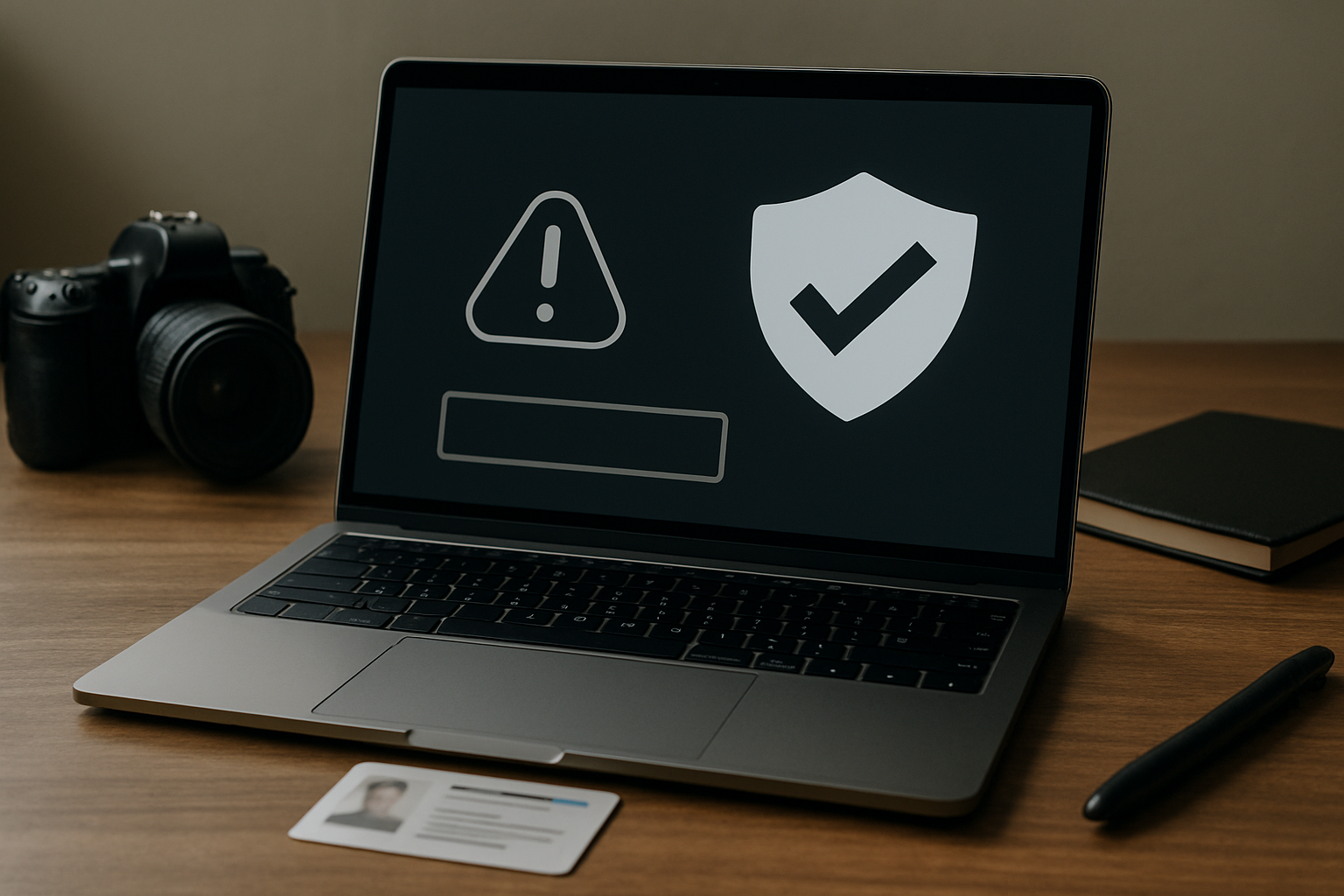
Verification obstacles pose a major challenge for creators on adult platforms and the platforms themselves, often arising from the necessity to reconcile comprehensive identity fraud protection with a seamless and user-friendly experience. A frequent problem is the challenge of confirming the legitimacy of documents and personal details provided by creators. Malicious actors might present fake IDs or stolen identities, making it harder for the platform to achieve authentic verification. Moreover, privacy issues can surface, as creators might be reluctant to disclose sensitive information due to worries about data breaches or potential misuse.
A significant challenge lies in the varying regulatory demands in different regions, which can hinder platforms striving to create a verification system that works universally. This complexity frequently results in delays and uneven verification results, causing frustration for both creators and administrators. Additionally, the absence of standardized best practices complicates the task for platforms to develop effective systems that address diverse verification requirements while still ensuring security.
To tackle these verification issues and improve identity fraud prevention, platforms need to implement a strong yet adaptable strategy that includes various verification layers. By employing biometric assessments, AI-based document evaluations, and human reviews, they can greatly diminish fraud risks while maintaining thoroughness. Clear communication with creators about the verification process, its importance, and the measures in place to safeguard personal data is crucial, as it fosters trust and promotes compliance.
Creators are essential in simplifying the verification process. They should adhere to best practices, including providing clear and readable documents, verifying the correctness of their information, and responding quickly to any inquiries from the platform. Steering clear of frequent errors, such as submitting modified or expired identification, significantly enhances the chances of a seamless verification experience.
To conclude, effective verification on adult platforms relies on collaboration between platforms and creators to tackle verification obstacles. By utilizing multiple verification methods and promoting transparency, platforms can improve measures against identity fraud. At the same time, creators who follow verification guidelines help streamline the process, reducing the chances of delays and rejections. Collectively, these best practices establish a basis for secure, efficient, and reliable verification systems within the adult content sector.
Common Verification Issues for Creators
Verification issues are a common obstacle for creators when going through the platform verification process. Such issues typically arise from insufficient or ambiguous documentation, resulting in document rejection and delays with account activation. To prevent verification problems, creators ought to thoroughly examine submission requirements and confirm that all documents are clear, valid, and current prior to uploading.
Document rejection frequently leads to verification issues. Typical reasons for this include outdated identification, discrepancies in information, or low-quality images. To avoid such problems, creators should ensure that all information is consistent across documents and that any scanned or photographed versions are clear and properly illuminated.
Delays in account processing may occur due to a buildup of manual reviews or insufficient verifications. Creators can alleviate this by promptly providing all necessary documents and swiftly addressing any inquiries for further information. Maintaining open lines of communication can help expedite the resolution process.
When creators encounter issues with verification, it’s recommended to seek help from platform support resources or community forums for prevalent solutions. Understanding the common causes of verification errors and document rejections can enable creators to resolve problems effectively and minimize the chances of delays in the verification process.
Strategies for Platforms to Improve Verification
Adult platforms have the potential to enhance verification procedures by incorporating cutting-edge technology that quickly authenticates user identities without disrupting the user experience. By employing biometric methods like facial recognition or fingerprint scanning, they can minimize manual verifications and the likelihood of human mistakes, thereby accelerating the onboarding process and effectively deterring fraud.
To improve fraud detection, platforms ought to implement machine learning algorithms that examine user behavior trends and identify suspicious actions in real-time. Pairing these with multi-factor authentication adds an extra layer of security to accounts, protecting them from unauthorized access and strengthening compliance measures required by regulations. Ongoing monitoring and regular updates to verification processes provide a strong defense against advancing fraudulent techniques.
Achieving a balance between security and user experience is essential. Platforms should create verification processes that are efficient and straightforward, minimizing obstacles while maintaining rigor. Effectively explaining the reasons behind specific verification requirements fosters user trust and promotes collaboration. Providing various verification methods suited to diverse user preferences can further reduce abandonment rates throughout the verification journey.
In the end, the integration of advanced verification technologies with carefully crafted compliance strategies fosters a more secure atmosphere for both users and platform operators. These initiatives not only deter fraudulent activities but also enhance user trust, promoting responsible engagement on adult platforms.
Overview of Adult Platform Creator Verification
Adult platform verification plays a vital role in ensuring a secure and reliable space for both creators and users. The creator verification process entails validating the identity and authenticity of content creators who aim to distribute adult content on these platforms. This overview of verification highlights the significance and overall intent behind these crucial practices.
The main objective of adult platform verification is to safeguard content creators by blocking fraudulent or underage users from accessing or misusing the platform. By mandating that creators provide official identification and undergo identity verification, platforms greatly diminish the chances of illegal or harmful content being uploaded. This process also shields creators from being impersonated and from unauthorized use of their accounts.
Verifying creators goes beyond ensuring safety; it also fosters trust among community members. When creators are verified, they enhance their credibility, which facilitates audience growth and effective content monetization. Users are more inclined to interact with verified profiles, reassured by the platform’s rigorous vetting process. This trust enhances the overall user experience on adult content platforms.
The verification process generally consists of several steps, such as submitting identity documents, performing photo verification, and occasionally conducting biometric assessments. Numerous platforms also ensure that there is consistency among the provided documents and social media accounts. This thorough method aims to reduce risks while adhering to legal standards related to age and consent.
To sum up, the verification procedures for adult platforms are crucial for maintaining a safe, dependable, and legally compliant space. These procedures safeguard the well-being of content creators, foster trust, and play a significant role in creating a more secure adult content community. It is important for anyone interested in becoming a verified creator or interacting with verified content creators on adult platforms to understand these verification steps.
Purpose and Importance of Verification
Verification plays a vital role in upholding the integrity of adult platforms, highlighting its significance in ensuring the authenticity of content and the safety of the platform. By confirming the identities of creators, platforms protect users from fraudulent or deceptive profiles, fostering real interactions and trust. This procedure ascertains the legitimacy of creators, validating that content producers are indeed who they represent themselves to be, which is crucial in thwarting impersonation and dishonest practices.
Moreover, verification is essential for adhering to legal standards. Adult platforms function within a strictly regulated framework where it is crucial to follow age limitations and consent regulations. Verification mechanisms assist in confirming that all creators have the legal right to distribute their content, thereby safeguarding the platform against legal issues and harm to its reputation. This aspect directly contributes to the safety of the platform by reducing the chances of underage content and the distribution of unauthorized materials.
In the end, the verification process boosts user trust and the platform’s reliability by creating a secure online space. Users experience greater peace of mind when they see that the platform takes steps to ensure authenticity and legality. This dedication to verification safeguards individual users while also improving the overall standard and dependability of the adult content environment, making it essential for maintaining a compliant and safe digital community.
Common Verification Methods
Adult platforms utilize various verification techniques to confirm that creators are authentic and meet age standards. A prevalent approach is identity verification, which requires creators to provide government-issued identification documents. This process allows the platform to validate the creator’s legal identity and guarantees that they are of legal age. Generally, users are prompted to upload a scanned image or photograph of their driving license, passport, or national ID card.
Verifying age is an essential process, frequently included in the ID verification procedure. Services might employ technology that automatically scans and validates the birthdate on provided documents to deter underage involvement. This measure is vital for adhering to legal standards and protecting the platform’s integrity.
Submitting documents involves more than simply providing IDs; certain platforms may require extra verification via selfies or live images. Users might need to capture a selfie while holding their ID next to their face, which enables the platform to confirm that the individual in the ID corresponds with the person submitting it. This process aids in minimizing fraudulent submissions and impersonation efforts.
Biometric verification represents a cutting-edge approach that certain adult platforms are beginning to implement. This could involve technologies such as facial recognition or fingerprint scanning, offering an enhanced level of security. By matching biometric information with the provided documents or real-time images, these platforms can more precisely confirm the identity of the creator.
These standard verification techniques—identity verification, age verification, document submission, and biometric verification—function in unison to establish a safe space for both creators and the platform, guaranteeing a trustworthy and compliant community.
Step-by-Step Creator Verification Process

Becoming verified on adult platforms requires a thorough verification procedure aimed at guaranteeing the legitimacy and security of creators while adhering to platform regulations. This in-depth guide outlines the typical verification stages, assisting creators with onboarding, document validation, and the approval process.
- Initial Registration and Profile Setup: Creators begin the verification steps by registering on the platform and filling out basic profile information. This step often includes submitting a valid email address, choosing a username, and creating a secure password to establish an account.
- Identity Document Submission: Next, the creator must upload government-issued ID documents such as a passport, driver’s license, or national ID card. This crucial document verification phase ensures the person registering matches their identity claims and meets the platform’s age requirements.
- Selfie or Live Photo Verification: Many platforms require creators to submit a current photo or selfie holding their ID next to their face. This measure adds an extra layer of security to confirm that the submitted documents belong to the individual creator and guard against fraud.
- Review of Submitted Materials: After submission, document verification teams manually or automatically review the identity documents and photos. This step verifies document authenticity, checks for tampering, and confirms that all required fields were accurately completed during creator onboarding.
- Compliance and Terms Acknowledgment: Creators must agree to comply with platform policies, rules around adult content, and payment terms. This step often involves reading and accepting terms of service, privacy policies, and content guidelines as part of the approval process.
- Additional Verification for Payment Processing: To set up payments, creators may need to provide tax information and link bank accounts or payment services. This supplementary verification ensures compliance with financial regulations and that payments can be securely processed.
- Final Approval and Account Activation: Once all verification steps are successfully completed and validated, the creator receives final approval. Their account is then activated or upgraded to a verified status, enabling access to platform monetization features and increased trust from followers.
Completing these verification steps guarantees a smooth onboarding experience for creators while upholding the platform’s integrity and security. Familiarizing themselves with each stage enables creators to gather the necessary documentation and information efficiently, speeding up their approval process and letting them concentrate on producing content.
Submission of Required Documents
Creators aiming to join adult platforms are required to provide certain verification documents to validate their identity and age. Commonly accepted documents consist of government-issued photo identification like passports, driver’s licenses, and national identification cards. In addition to these, proof of age is necessary to adhere to legal standards, making sure all creators are of legal age for participation. Some platforms might also ask for additional documents such as utility bills or bank statements to confirm address information during the verification process.
When providing identification and age verification, it is essential to make sure that all documents are up-to-date and easily legible. Unclear or partially visible images may lead to delays or denial of the verification process. Creators should capture photos or scans of their documents in a well-lit environment and upload them in the permitted formats like JPEG or PDF. Additionally, verifying that all necessary pages and information are included can prevent the need for resubmission.
Numerous platforms provide a document upload option in the profile or verification area, typically supported by detailed instructions. Adhering to these guidelines and submitting only the necessary documents facilitates a more efficient review process. By taking these steps when providing verification documents, creators can ensure a seamless and prompt approval, enabling them to begin their projects without unwarranted delays or issues.
Verification Review and Approval
Once a creator has sent in their verification application, it moves on to the verification review phase. During this stage, every submission is carefully examined to confirm that all the information given is correct and aligns with platform requirements. This careful review process is essential for preserving the integrity and security of the platform by blocking fraudulent or incomplete verifications.
The time it takes to get approval can differ based on the number of applications and the intricacy of each situation. Generally, creators should anticipate that the verification review will wrap up within a few business days. Nevertheless, during busy periods or if further information is needed, the review may extend beyond the usual timeframe. Creators should ensure their contact information is current to prevent any communication delays.
After the verification review concludes, creators will receive an email or a message through direct platform communication to inform them of their verification status. If approved, creators will obtain verified status, enhancing their credibility and visibility on the platform. If their application is denied, creators will be provided with details on the reasons for the denial and advice on how to resolve any issues for resubmission.
This organized method of thorough inspections and open dialogue guarantees transparency and equity, offering a dependable route for creators looking for verification on the adult platform.
Challenges and Best Practices in Verification
Verification obstacles present a major challenge for both adult platform creators and the platforms themselves, primarily due to the necessity of balancing effective identity fraud prevention with a seamless and user-friendly experience. A frequent problem is the struggle to confirm the legitimacy of the documents and personal details provided by creators. Malicious actors might employ counterfeit IDs or stolen identities, making it harder for the platform to achieve reliable verification. Furthermore, concerns about privacy can surface, as creators might be reluctant to disclose sensitive information because of worries about data breaches or potential misuse.
A significant challenge arises from the varying regulatory standards in different regions, which can complicate efforts by platforms to create a verification process that is applicable everywhere. This intricacy frequently results in delays and uneven verification results, causing frustration for both creators and administrators. Additionally, the absence of uniform best practices hinders platforms from developing effective systems that address diverse verification requirements while maintaining security.
To tackle these verification issues and improve the prevention of identity fraud, platforms need to implement a strong yet adaptable strategy that includes various layers of verification. By using biometric authentication, AI-powered document evaluations, and manual assessments, platforms can greatly minimize fraud risks while maintaining thoroughness. Clear communication with creators about the verification process, its significance, and the protection of personal data is essential, as it fosters trust and promotes adherence.
Creators are essential in simplifying the verification process. They need to adhere to best practices by providing clear and readable documents, verifying the correctness of their details, and quickly addressing any questions from the platform. Steering clear of frequent errors, such as submitting modified or expired identification, significantly boosts the chances of a hassle-free verification experience.
In conclusion, effective verification on adult platforms relies on collaboration between platforms and creators to tackle verification obstacles. By adopting multi-faceted verification methods and fostering transparency, platforms can improve measures against identity fraud. At the same time, creators who follow verification guidelines help facilitate smoother operations, reducing the chances of delays and denials. Collectively, these recommended practices establish a basis for secure, efficient, and reliable verification systems within the adult content sector.
Common Verification Issues for Creators
Verification errors commonly pose challenges for creators in the verification process on the platform. Such errors typically arise from insufficient or ambiguous documentation, resulting in the rejection of documents and delays in account approval. To minimize the risk of verification errors, creators are advised to thoroughly examine submission guidelines and confirm that all documents are clear, valid, and current prior to uploading.
Document rejection ranks among the leading causes of verification issues. Frequent reasons consist of outdated identification, discrepancies in information, or low-quality images. To mitigate this, creators ought to verify that all information is uniform across documents and that any scanned or photographed copies are clear and properly illuminated.
Delays in account processing may stem from a backlog in manual assessments or insufficient verifications. Creators can alleviate this issue by promptly providing all necessary documents and swiftly addressing any requests for further information. Maintaining open lines of communication can expedite the resolution process.
Should verification troubleshooting be necessary, creators are encouraged to refer to platform support materials or community discussion boards for frequently encountered solutions. Understanding the usual causes of verification failures and document denials can enable creators to resolve problems effectively and minimize the chances of delays in the verification process.
Strategies for Platforms to Improve Verification
Adult platforms can enhance their verification procedures by incorporating state-of-the-art technology that quickly authenticates user identities without disrupting the overall user experience. By employing biometric methods like facial recognition or fingerprint scanning, they can minimize manual verification and the risk of human mistakes, thereby accelerating the onboarding process and effectively preventing fraud.
To improve fraud detection, platforms ought to implement machine learning algorithms that examine user behavior patterns and identify suspicious activities instantly. Pairing these with multi-factor authentication provides additional protection for accounts against unauthorized access, strengthening compliance strategies required by regulations. Ongoing monitoring and regular updates to verification protocols guarantee a strong defense against changing fraudulent methods.
Achieving a balance between security and user experience is essential. Platforms need to create verification processes that are efficient and clear, minimizing obstacles while maintaining rigor. Transparent explanations regarding the necessity of specific verification steps foster user trust and promote engagement. Providing various verification methods suited to diverse user preferences can further decrease abandonment rates throughout the verification journey.
In the end, integrating cutting-edge verification technology with thoughtfully designed compliance strategies fosters a more secure atmosphere for both users and platform operators. This approach not only deters fraud but also enhances user trust, promoting responsible engagement in adult platforms.

I’m passionate about exploring sexual health and helping women understand their bodies. I write about techniques, communication, and education to empower readers to experience more fulfilling intimacy. My goal is to provide clear, respectful guidance that demystifies the path to orgasm.