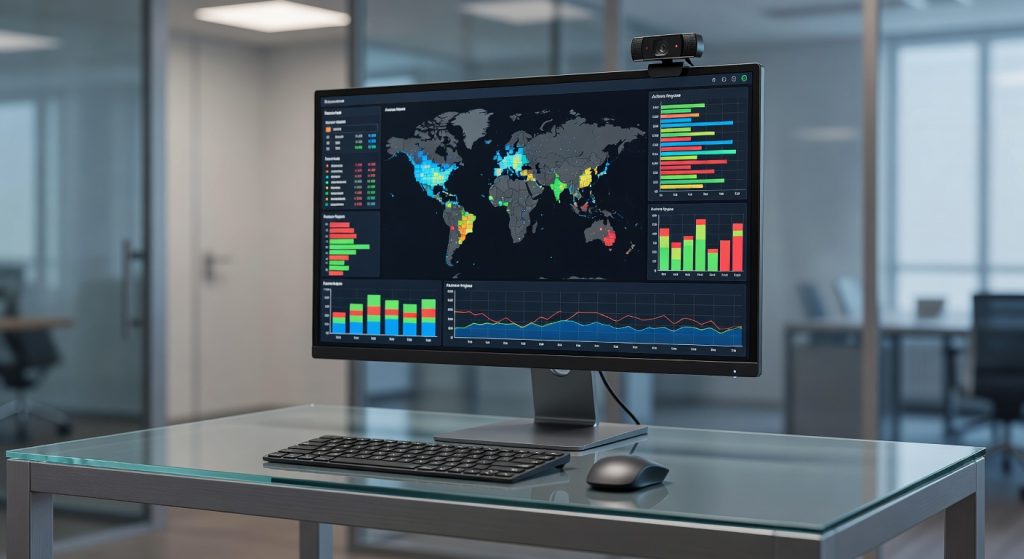
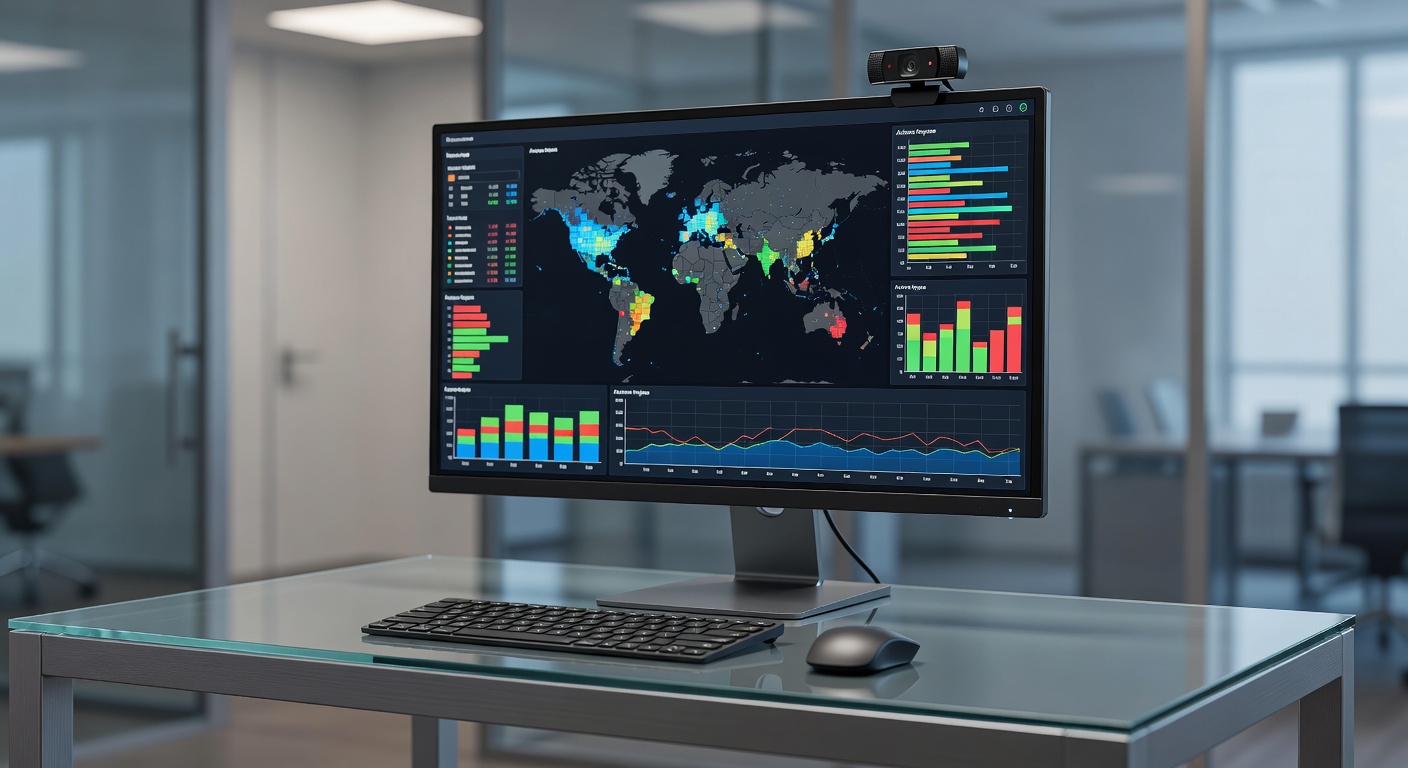
Introduction to Webcam Platform Geo Traffic Analysis
Webcam platform geo traffic analysis is a specialized method of understanding where the audience of a webcam service originates from, using geographic and location-based data. This analysis provides vital insights by combining webcam analytics with geo-location data to map out the distribution and behavior of users accessing the webcams from different parts of the world. By leveraging these insights, operators of webcam platforms can make more informed decisions, enhance user experience, optimize content delivery, and tailor marketing strategies to specific regions.
Understanding the importance of webcam platform geo traffic analysis lies in its ability to reveal patterns and trends that might not be visible through traditional metrics. For example, it uncovers peak usage times in various time zones, regional preferences for content types, and potential growth markets. Knowing the geographic distribution also assists in managing server loads effectively and complying with regional regulations concerning privacy and data protection. Ultimately, this analysis supports platform growth and profitability by targeting resources efficiently based on data-driven insights.
At its core, the process involves collecting geo-location data from users who visit or interact with the webcam platform. This data can be obtained through IP address tracking, GPS signals from devices, or third-party location services integrated into the platform. Once collected, the geo-location data is combined with other webcam analytics such as viewer counts, session duration, and engagement metrics. Advanced analytical tools then process this information to generate visual maps, charts, and reports that highlight user distribution and behavior across different geographical regions.
The collected geo-location data is anonymized to protect user privacy while allowing the platform operators to analyze trends accurately. By analyzing these patterns, webcam platforms can identify regions with the highest traffic and tailor content or marketing campaigns accordingly. This geo traffic analysis also helps in troubleshooting performance bottlenecks caused by regional network issues and improving the overall reliability of webcam streaming services. In summary, the integration of geo-location data into webcam analytics creates a comprehensive view that empowers platforms to enhance user satisfaction and operational efficiency.
What is Geo Traffic Analysis?
Geo traffic analysis in the context of webcams refers to the process of examining traffic data to understand where users accessing webcam services are located geographically. This type of analysis helps webcam platforms identify patterns in user distribution, which can be critical for optimizing content delivery, improving user experience, and targeting regional marketing efforts.
The primary method for tracking geo traffic involves collecting IP addresses of users when they connect to a webcam platform. These IP addresses are then mapped to specific geographic locations using geolocation databases or services. Additionally, some platforms may use location tags from mobile devices or user-provided information to enhance the accuracy of the data. By aggregating this information, webcam traffic analysts can determine the volume of traffic coming from various countries, cities, or regions.
Interpreting user location data through geo traffic analysis allows platforms to detect trends in webcam traffic, such as peak usage times in different time zones or locations with high user engagement. This insight is invaluable for tailoring content to local preferences and managing server resources efficiently. In summary, geo traffic analysis enables webcam platforms to make informed decisions based on geographic patterns in user location and webcam traffic, ultimately enhancing service quality and strategic planning.
Why Geo Traffic Matters for Webcam Platforms
Understanding geographic traffic patterns is crucial for webcam platforms to enhance user engagement and maximize their reach. By analyzing where users are coming from, platforms can gain valuable regional insights that help tailor content to the preferences and cultural nuances of specific areas. This geo targeting allows the delivery of more relevant and appealing content, which in turn increases viewer satisfaction and keeps users coming back.
Regional insights gained from geo traffic data enable webcam platforms to optimize traffic effectively. Knowing peak times and popular regions can assist in scheduling live sessions and promotional efforts for maximum impact. This targeted approach not only boosts user engagement but also increases the potential for monetization by matching content creators with viewers in high-demand locations.
Moreover, geo targeting helps reduce bounce rates by presenting users with locally relevant streams and offers, making the user experience more personalized and engaging. Webcam platforms can also adapt their marketing strategies by focusing on regions where growth is occurring or potential audiences are untapped, leading to higher overall traffic and better resource allocation.
In summary, leveraging geo traffic data is essential for webcam platforms aiming to optimize content delivery and user engagement. By understanding and responding to geographic trends, platforms can provide a superior experience, foster loyalty, and achieve sustainable growth in an increasingly competitive market.
Techniques and Tools for Geo Traffic Data Collection
Collecting and analyzing geo traffic data on webcam platforms is essential for understanding user demographics, optimizing content delivery, and enhancing user engagement. Various techniques and tools are employed to gather accurate geo traffic data, focusing on identifying the geographic location of users through data collection methods like geo IP tracking, APIs, and third-party analytics software specifically designed for webcam platform tools.
One of the fundamental techniques is geo IP tracking, which involves detecting users’ geographic location based on their IP addresses. This method enables webcam platforms to identify the country, region, and sometimes even the city of visitors. Geo IP tracking is widely used for localized content personalization, compliance with regional regulations, and targeted advertising. Reliable geo IP databases and services allow platforms to maintain up-to-date location data to improve accuracy.
In addition to IP tracking, many webcam platforms integrate APIs provided by various geo-location services. These APIs facilitate real-time data collection and can offer more granular insights into traffic patterns. By leveraging these APIs, platforms can automate data collection processes, synchronize with other data sources, and enrich the geo traffic data with demographic and behavioral information, enhancing analytic precision.
Third-party analytics software plays a crucial role in transforming raw geo traffic data into actionable insights. These tools often come with dashboards and reporting features, allowing webcam platform administrators to visualize geographic traffic distribution, identify trends, and evaluate user engagement across different regions. Popular analytics solutions frequently used in conjunction with webcam platform tools include Google Analytics, Matomo, and specialized webcam analytics platforms that focus on geo traffic metrics.
Combining these techniques—geo IP tracking, API integration, and third-party analytics—webcam platforms achieve comprehensive geo traffic data collection. This multifaceted approach allows administrators to optimize content delivery, tailor marketing strategies, and improve the overall user experience based on precise geographic insights.
IP-based Location Tracking
IP tracking is a widely used technique to determine the geographic locations of users visiting webcam platforms by analyzing their IP addresses. Each device connected to the internet is assigned an IP address, which often contains information about the user’s general location, such as country, region, or city. By leveraging databases that map IP addresses to geographic areas, platforms can gather valuable geo location data on their visitors.
This IP geolocation method provides user location data that can help webcam platforms optimize content delivery, tailor services to regional preferences, and enhance security measures by detecting unusual access patterns. One of the significant advantages of IP tracking is its non-intrusive nature—users do not need to provide explicit location information, allowing for seamless data collection in the background.
However, IP-based location tracking has some limitations. The accuracy of IP geolocation can vary, especially at a more granular city or neighborhood level, due to the dynamic and sometimes shared nature of IP addresses. Users employing VPNs or proxy servers can mask or falsify their IP addresses, leading to misleading location data. Additionally, this method does not provide precise GPS-level accuracy, which can be a constraint for certain applications needing exact location information.
In summary, while IP tracking offers a practical and widely accessible way to obtain geo location insights on webcam site visitors, it should be complemented with other data sources and used with awareness of its inherent accuracy constraints and privacy considerations.
Analytics Platforms Supporting Geo Insights
Several popular analytics platforms provide robust geo insights to help webcam platforms track and understand their global traffic. Platforms such as Google Analytics, Adobe Analytics, and Mixpanel offer comprehensive traffic analytics tools that include geo data visualization. These platforms enable webcam site owners to pinpoint traffic sources by country, region, and even city, allowing detailed audience segmentation based on geographic location.
Leveraging these analytics platforms for geo insights allows businesses to tailor content and marketing strategies for specific regions, improving user engagement and conversion rates. For instance, knowing which countries generate the most traffic can guide localized promotions or language-specific site adaptations. By integrating geo traffic analytics into decision-making processes, platform managers can optimize server distribution to reduce latency and enhance streaming quality for users across different locations.
Data visualization features in these platforms make it simple to interpret complex geographic traffic data. Interactive maps and heatmaps offer intuitive views of user distribution, while dashboards can be customized to highlight key metrics relevant to geo performance. Using these insights, webcam platform operators can make informed decisions to boost regional traffic and enhance overall user experience.
Applications and Benefits of Geo Traffic Analysis
Geo traffic analysis is a powerful tool for webcam platform owners seeking to optimize their sites and maximize revenue. By understanding where their traffic originates, platform owners can apply valuable insights that lead to more effective traffic optimization, enhanced monetization, improved content strategy, and targeted audience engagement.
One of the primary applications of geo traffic analysis is traffic optimization. By identifying high-traffic regions, platform owners can tailor their content delivery networks and optimize server resources to enhance load times and user experience for visitors in those locations. This approach reduces latency and increases visitor satisfaction, which ultimately supports longer site visits and higher engagement rates. Additionally, geo-specific traffic data enables platforms to run regional marketing campaigns that resonate with local audiences and attract more qualified traffic.
Another significant benefit lies in monetization. Knowing the geographical distribution of viewers helps platform owners negotiate advertising deals that target specific markets, often commanding higher rates. By aligning ad content with regional preferences and buying power, platforms can increase click-through rates and conversions. Moreover, geo traffic analytics empower owners to implement location-based pricing models or create premium subscription offerings tailored to affluent markets, further boosting their revenue streams.
Improving overall content strategy is another critical advantage. With geo traffic insights, webcam platforms can understand which types of content resonate best with audiences from different regions. For instance, cultural preferences and trending topics vary widely across locations, and geo analysis provides the data needed to diversify and localize content accordingly. This targeted approach not only enriches user experience but also drives higher retention by delivering relevant and engaging material that meets audience expectations.
Finally, audience targeting becomes far more precise with geo traffic analysis. Platforms can segment their user base by location and tailor marketing messages, promotions, and interactive features to these segments. This personalized engagement strategy increases conversion rates and fosters loyalty by addressing the unique needs and preferences of different audiences. In summary, geo traffic analysis equips webcam platform owners with actionable data to optimize traffic flow, maximize monetization, refine content strategy, and enhance audience targeting, ultimately driving sustainable growth and success.
Optimizing Content Based on Geographic Data
Geographic traffic data plays a crucial role in content optimization by providing valuable insights into where your webcam platform’s audience is located. Understanding these regional dynamics enables content creators to tailor and localize their material, ensuring that it aligns with the cultural nuances, language preferences, and specific interests of different geographic segments.
By analyzing geographic traffic, platform managers can identify key regions generating the most engagement and adapt their content strategies accordingly. Localization efforts might include translating interface elements and content into the predominant languages of those regions or featuring region-specific themes and trends. This targeted approach not only improves user experience but also enhances relevance, making viewers feel more connected to the content.
Moreover, the insights gained from geographic data support informed decisions about scheduling and promotional activities, catering to peak activity times in different time zones. Tailoring content based on audience preferences increases viewer retention and satisfaction, which are critical for long-term engagement and monetization. Ultimately, leveraging geographic traffic data allows webcam platforms to deliver regional content that resonates more effectively, boosting overall platform performance and user loyalty.
Enhancing Monetization Strategies
Webcam platforms can significantly enhance monetization by leveraging geo-targeted advertising and other strategies informed by detailed traffic analysis. Understanding the geographic distribution of users allows these platforms to deliver highly relevant, localized ads that resonate with specific audiences, increasing engagement and conversion rates. Geo targeting enables advertisers to optimize their campaigns by focusing budgets on high-performing regions, driving more effective monetization.
Beyond just ads, traffic analysis helps platforms identify user preferences and behaviors across different regions, enabling tailored offers, subscription packages, and premium content that cater to regional tastes. This data-driven approach supports sustained revenue growth by optimizing content and promotional efforts specific to each market segment. For example, offering region-specific promotions or exclusive access can enhance user satisfaction and lifetime value.
Moreover, platforms can implement dynamic pricing models based on geo traffic insights, adjusting rates for ads or services according to local market demand and competition. Integrating multiple monetization streams—including targeted ads, affiliate marketing, and pay-per-view services—amplifies overall revenue potential when guided by precise geo traffic data. In essence, geo-targeted advertising combined with comprehensive traffic analysis empowers webcam platforms to maximize revenue efficiently and sustainably.

I’m passionate about exploring sexual health and helping women understand their bodies. I write about techniques, communication, and education to empower readers to experience more fulfilling intimacy. My goal is to provide clear, respectful guidance that demystifies the path to orgasm.