Overview of Webcam Platform Tipping Systems
Webcam platform tipping systems are an integral part of the live streaming ecosystem, designed to facilitate direct monetary support from viewers to performers. These systems enable audiences to show appreciation, engage more interactively, and provide financial incentives, enhancing the overall experience for both streamers and viewers. In essence, tipping on webcam platforms serves as a virtual token of gratitude, often motivating performers to deliver more dynamic and personalized content.
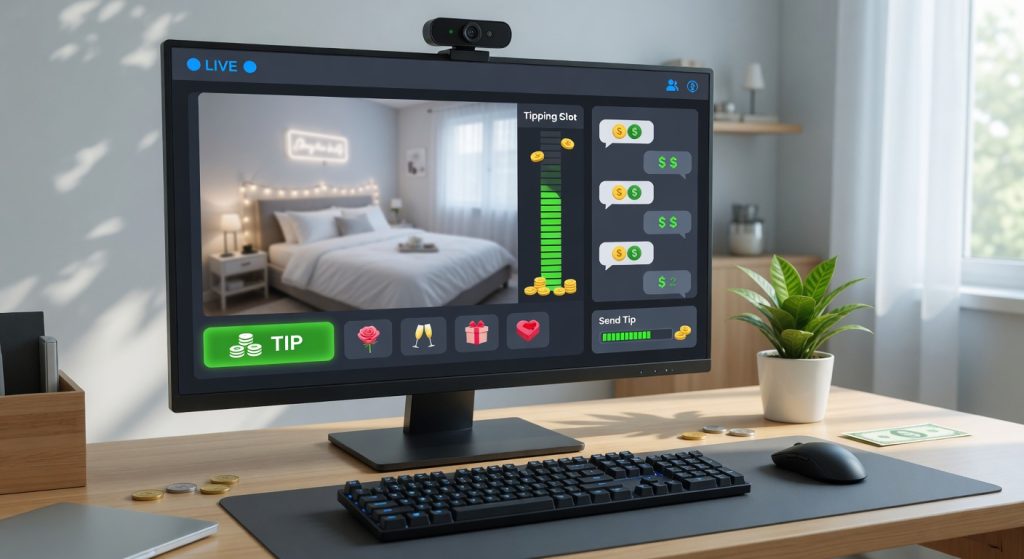
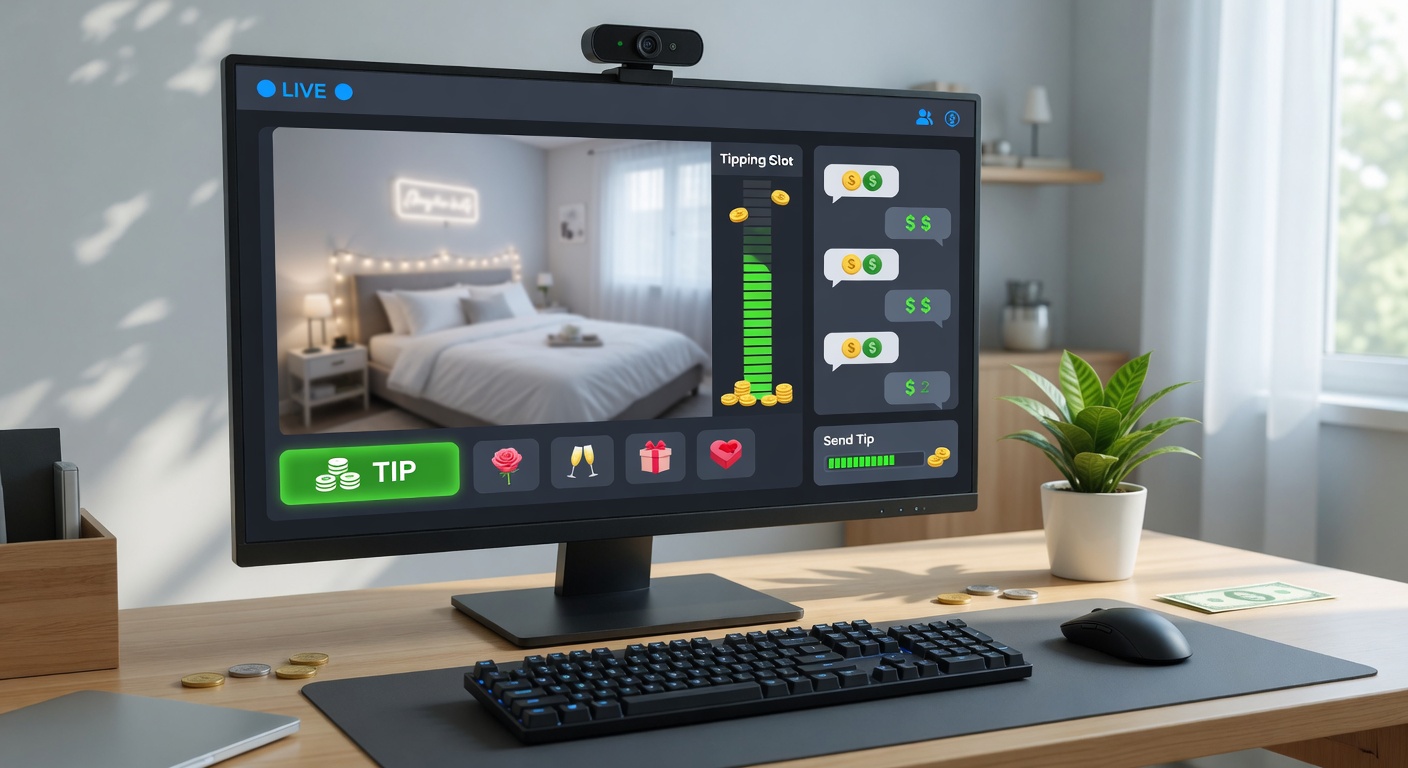
At the core, webcam tipping systems function as secure, integrated payment gateways embedded within the live streaming interface. Viewers can purchase virtual tokens, credits, or coins using various payment methods such as credit cards, digital wallets, or cryptocurrencies. These virtual currencies are then used to tip performers in real-time during a broadcast. The tipping transaction is typically instantaneous, allowing performers to see the reception of tips immediately, which often triggers specific reactions or thank-you gestures, creating an engaging and interactive environment.
Platform tips not only reward performers financially but also enhance viewer engagement by providing a sense of participation and influence over the live stream. For instance, tipping systems may incorporate features like tip goals, leaderboards, or tip-based requests, where higher tips unlock exclusive content or special performances. This gamification aspect encourages viewers to contribute more generously, fostering a vibrant community around the webcam platform.
Moreover, live streaming tips contribute to the economic sustainability of webcam models and platforms alike. Models rely heavily on these tips as a primary source of income, while platforms often take a percentage commission from each tip as revenue. The systems are designed with transparency and security to protect both parties, ensuring that tips are processed smoothly and that performers receive their earnings without issues.
In summary, webcam platform tipping systems are a cornerstone of the live streaming industry, blending financial transactions with interactive entertainment. They not only empower webcam performers to profit from their creativity and engagement but also give viewers a meaningful way to participate and support the community. Understanding this tipping overview is essential for anyone interested in the dynamics of live streaming tips and the evolving world of webcam platforms.
Purpose and Benefits of Tipping
Tipping systems serve a crucial role in webcam platforms by creating a direct financial link between viewers and streamers. For streamers, the tipping purpose extends beyond just receiving money—it acts as a vital source of income that sustains their content creation and motivates them to keep engaging with their audience. The benefits of tips are tangible, providing streamers with financial stability as well as immediate feedback on their performance.
From the viewer’s perspective, tipping is more than a transactional act; it fosters a dynamic interaction with the streamer. When viewers tip, they gain a sense of participation and influence, often prompting personalized responses or exclusive content, which enhances the overall experience. This bidirectional interaction boosts viewer engagement and loyalty, building a thriving community around the streamer’s content.
Ultimately, the tipping purpose on webcam platforms balances the mutual benefits for both parties. Streamers receive essential financial support to maintain and improve their shows, while viewers enjoy heightened interaction and a more personalized connection. This system enriches the ecosystem by promoting consistent streamer income and active viewer involvement, making it a cornerstone of successful webcam streaming.
How Tipping Systems Work Technically
Tipping systems on webcam platforms rely on a complex technical mechanism that seamlessly integrates payment processing, virtual currency, and automated workflows. At the heart of these systems is the tipping mechanism, which begins when a viewer decides to send a tip to a performer. This action triggers communication with payment gateways, secure third-party services that handle the transfer of real money from the user’s bank or credit card account to the platform.
Once the payment is authorized, the platform converts the real currency into a virtual currency or tokens, which act as an intermediary form of credit within the system. These tokens are credited to the viewer’s account and can be used instantly for tipping. This conversion not only simplifies the microtransaction process but also adds a layer of anonymity and security for both parties involved.
Platform integration plays a key role in this process, ensuring that the tipping mechanism is tightly linked with user interfaces, performer accounts, and the backend financial systems. Automated processes handle everything from token allocation to real-time updating of performer balances. This automation minimizes delays and errors, providing performers with timely credit for received tips and enhancing the overall user experience.
In summary, tipping systems function through effective coordination between payment processing, virtual tokens, and platform integration, resulting in a smooth, secure, and efficient tipping experience on webcam platforms.
Popular Types of Tipping Systems on Webcam Platforms
Webcam platforms utilize various tipping models to facilitate interaction between performers and viewers, enhancing the overall user experience while providing performers with revenue streams. The most popular types of tipping systems on these platforms include virtual gifts, token tipping, and direct cash tips. Each of these methods offers unique benefits and appeals to different user preferences.
One of the most engaging tipping models is the use of virtual gifts. These are digital items that viewers can purchase and send to performers as a sign of appreciation or admiration. Virtual gifts often come in the form of animations, icons, or other creative visuals that appear on the screen during a live session. They not only add an interactive element to the show but also make tipping fun and visually rewarding for both parties. Many platforms design exclusive and themed virtual gifts to encourage more tipping and foster a loyal fan base.
Token tipping is another widely employed system on webcam platforms. In this model, users buy a set amount of tokens, which act as the platform’s currency, and then spend those tokens to tip performers. This system streamlines transactions by eliminating the need for repeated credit card or payment method inputs for each tip. Tokens can be used to unlock private shows, request specific performances, or simply tip as a token of gratitude. The token tipping model is favored for its convenience and ability to integrate seamlessly with multiple interactive features on the platform.
Direct cash tips are the most straightforward tipping model where viewers send real money directly to the performer. This method is generally facilitated through secure payment gateways integrated into the platform. Cash tips give an immediate sense of value and can significantly boost a performer’s earnings. While some platforms focus heavily on tokens and virtual gifts, many still allow direct cash tips to accommodate users who prefer simplicity and direct financial support. This model is also appreciated for its transparency and immediacy.
In conclusion, webcam platforms offer a variety of tipping models including virtual gifts, token tipping, and direct cash tips to cater to different user preferences and enhance engagement. Each system plays a vital role in supporting performers financially while creating interactive and enjoyable experiences for viewers. Understanding these tipping models helps users choose the best way to show appreciation and encourages ongoing support for their favorite performers.
Token-Based Tipping Systems
Token-based tipping systems are a popular method in webcam platforms to facilitate virtual currency tipping efficiently. Users first purchase platform tokens, which act as a virtual currency, through various payment methods offered by the platform. These tokens can be bought in bundles or individually, allowing flexibility in how much users want to spend. Once tokens are acquired, viewers can use them to tip performers during live sessions as a way to show appreciation or request specific interactions.
During a session, tipping with tokens is seamless and quick. Users simply click on a tip button associated with a certain number of tokens or enter a custom amount, which then immediately transfers those tokens from their account to the performer. These tokens are designed to be easy to understand and manage, simplifying the interaction without the need for real-time payment processing each time a tip is given. This creates a smooth experience for both the user and the performer.
The platform tokens hold value only within the specific webcam site, which helps maintain an internal economy and ensures that tipping is secure and trackable. Performers can later exchange their accrued tokens for real money, generally following the platform’s payout policies. This token system not only incentivizes performers but also provides a fun and interactive way for viewers to engage with content using virtual currency tipping.
Direct Cash and Digital Wallet Tips
Many webcam platforms have embraced tipping systems that allow viewers to support streamers instantly through direct cash or digital wallets. These systems enable seamless transactions, offering convenience and security for both parties. Cash tips remain popular at live events or offline meetups, but digital wallets have rapidly taken precedence in online streaming communities.
Digital wallets like PayPal have become a cornerstone of tipping functionality, providing a familiar and trusted platform for instant payment. With PayPal tipping options integrated directly into webcam sites, viewers can send money effortlessly, often with just a few clicks. The speed and reliability of these transactions are key benefits, as streamers receive funds immediately, enhancing the overall user experience.
Beyond PayPal, cryptocurrency wallets have gained traction in the tipping ecosystem, appealing particularly to tech-savvy users. Cryptocurrencies offer privacy, lower fees, and borderless transactions, making them an attractive alternative to traditional payment methods. Many platforms now accept Bitcoin, Ethereum, and other digital currencies directly from viewers’ wallets.
Implementing these tipping systems supports streamers by providing diverse options for receiving income. Whether through straightforward cash tips or the convenience of digital wallets, the immediacy of payment drives engagement and fosters a supportive community atmosphere on webcam platforms.
Best Practices and Challenges of Webcam Tipping Systems
Implementing effective tipping best practices in webcam platforms is essential to ensure a smooth and rewarding experience for both performers and users. One of the primary best practices is designing an intuitive and seamless tipping interface that encourages user interaction without causing frustration. Clear display of tipping options, easy navigation, and instant confirmation of transactions are key elements to enhance user experience. Additionally, offering multiple payment methods and flexible tip amounts caters to a diverse user base, boosting overall satisfaction and revenue.
Despite these best practices, webcam tipping systems face significant challenges, particularly revolving around security and fraud prevention. Protecting users’ financial data through robust encryption protocols and secure payment gateways is critical to maintain trust and prevent breaches. Webcam platforms must also actively monitor for fraudulent activities such as fake accounts, chargebacks, and tip manipulation. Implementing advanced fraud detection algorithms and requiring identity verification can mitigate these risks, safeguarding both performers and users.
Another notable challenge is maintaining a balance between encouraging tipping and avoiding user fatigue. Overly aggressive or repetitive tipping prompts can diminish user satisfaction and drive away potential tippers. Instead, platforms should focus on subtle and respectful encouragement tactics that enhance the overall user experience without intruding. Furthermore, providing performers with tools to personalize tipping requests can cultivate a more engaging and authentic interaction, fostering community and loyalty.
In summary, webcam platforms must integrate comprehensive security tips and fraud prevention measures alongside user-centric design to overcome tipping challenges. Prioritizing ease of use, transparency, and genuine engagement not only streamlines the tipping process but also builds trust and satisfaction within the user community. These best practices, when implemented effectively, can significantly elevate the success and sustainability of webcam tipping systems.
Ensuring Security and Privacy in Tipping
In webcam platforms, ensuring security and privacy during tipping transactions is of paramount importance. Platforms must implement robust security protocols to protect user data from unauthorized access and potential breaches. This includes the use of encryption technologies such as SSL/TLS to secure the transmission of payment information, ensuring that sensitive data like credit card details and personal identifiers are safeguarded from interception.
Privacy measures also extend to how user data is stored and managed. Platforms should adopt strict data protection policies, limiting access to sensitive information only to authorized personnel and employing anonymization techniques to reduce the risk of misuse. Transparent privacy policies are essential, informing users about how their data is collected, used, and protected, thereby fostering user trust and confidence.
Fraud prevention mechanisms are critical in maintaining the integrity of tipping systems. These include real-time monitoring of transactions to detect suspicious activities, implementing multi-factor authentication for user accounts, and setting limits on tipping amounts to minimize the risk of fraudulent behavior. Additionally, platforms should regularly audit their security systems and update them to address emerging threats.
Ultimately, the combination of advanced security technologies, stringent privacy practices, and proactive fraud prevention strategies ensures that both performers and viewers can engage in tipping transactions with confidence. Protecting user data and securing payments not only prevents fraud but also upholds the platform’s reputation and legal compliance standards.
Improving User Experience and Satisfaction
Optimizing the tipping interface is crucial for enhancing user experience and increasing engagement on webcam platforms. A clean, intuitive interface design enables both streamers and viewers to interact effortlessly, reducing barriers that might discourage tipping. Streamers benefit from easy-to-use controls that allow them to monitor tips in real-time and acknowledge supporters, which in turn motivates more viewer participation.
Incorporating clear feedback mechanisms is another key aspect of improving satisfaction. Visual and auditory cues confirming successful tips provide immediate gratification to viewers, reinforcing positive behavior and encouraging repeated engagement. Additionally, customizable tipping options let users choose amounts that suit their preferences, empowering them with control over their interactions.
Designing the tipping process to be seamless and transparent fosters trust between streamers and their audience. Simplifying payment steps, providing multiple payment methods, and ensuring quick processing minimizes friction. Responsiveness on different devices and accessible design elements ensure that everyone can enjoy a smooth tipping experience, regardless of how they access the platform.
By continuously gathering and implementing user feedback, platforms can adapt their interface design to meet evolving needs. Prioritizing user experience through thoughtful interface design and effective feedback mechanisms ultimately results in higher engagement, greater satisfaction for streamers and viewers alike, and a more vibrant community.

I’m passionate about exploring sexual health and helping women understand their bodies. I write about techniques, communication, and education to empower readers to experience more fulfilling intimacy. My goal is to provide clear, respectful guidance that demystifies the path to orgasm.